Table Of Content

Ingrown hairs can be more common in people with coarse or curly hair. They may also be likelier to occur when the hairs are very short, such as after waxing, shaving, or tweezing. Ingrown hairs often create an inflamed red bump or dot that may itch or cause pain. An ingrown hair may also become infected, forming a pimple-like wound. If your ingrown hairs aren’t going away with at-home treatments and a good skincare routine, or if you’re ingrown hairs become infected, call your healthcare provider. In most cases, ingrown hairs usually heal themselves within one to two weeks with only minor irritation, as they eventually release from your skin as they grow longer.
Treatment
Squeezing an ingrown hair will increase the risk of infection. If an infection is present, squeezing the bump may worsen it. Preventing ingrown hairs can decrease your risk of related infections. Not all ingrown hairs become infected, and they usually resolve on their own in a few days. Razors that do not glide smoothly can catch and pull hairs, and ingrown hairs can result.
Man, 36, left ‘brain dead’ with 4% chance of survival after trying to pull out an ingrown hair in his gro... - The US Sun
Man, 36, left ‘brain dead’ with 4% chance of survival after trying to pull out an ingrown hair in his gro....
Posted: Thu, 21 Mar 2024 07:00:00 GMT [source]
Preventing ingrown hairs
If you want to shave, or remove hair in another way, there are things you can do to prevent ingrown hairs and help them get better quicker. Alternatively, your doctor might prescribe topical treatments like retinoids, which help reduce skin hyperpigmentation and remove dead skin cells. They also might prescribe steroids, which reduce inflammation and swelling. Whether you're applying these DIY treatments to your legs, bikini line, etc., know you're one step closer to healthy, bump-free skin.
What’s the outlook for a person with an ingrown hair cyst?
Man brain dead following ingrown hair find - news.com.au
Man brain dead following ingrown hair find.
Posted: Fri, 22 Mar 2024 07:00:00 GMT [source]
Deep ingrown hairs frequently arise when a hair has been removed and then starts growing back and curves into the skin. Look for products or natural ingredients (like aloe vera) that contain salicylic acid. It's known to help prevent infection, reduce bacteria, aid proper skin cell turnover, and prevent blockage of hair follicles. What's more, we tapped three skincare experts to share the home remedies that they approve and recommend.
If it’s difficult to see the area, use extra lighting like an LED ring light and a magnifying mirror. This will allow you to grasp only the hair and avoid damaging your skin. Apply a warm, moist — not dripping — washcloth for 10 to 15 minutes, three or four times a day. Warm compresses soften your skin and may help ease inflammation and discomfort by allowing your skin to open and drain if there’s any pus present. If your infection is mild or infrequent, you may be able to use home remedies. If infections recur or are severe, you may need medical treatment.
How to Prevent Ingrown Hair on the Legs
To prevent ingrown hair on your legs, your razor should glide smoothly over your skin. If you don’t have a smooth glide, hair can get caught in the razor, which can cause ingrown hairs and cuts. To reduce your risk of ingrown hairs, exfoliate your legs before shaving with a body scrub. This process doesn’t take too much time and can leave your skin feeling soft and rejuvenated.
The goal in waxing is to remove the entire hair from the follicle, but it may break either above or below the skin's surface when being tugged. This can happen if there isn't enough "pull" or when too much wax is applied to an area (like trying to remove a large section all at once). The trick is to get the hair out so that you can see the bulb at the base with more deliberate pulls. You'll have better chances of getting the entire hair out versus breaking it. When waxing at home, be sure to follow directions very carefully prepping skin, applying product, and removing it. If the cyst looks infected or didn't go away after you tried at-home treatment, see a healthcare provider.
About 30% of people also have this bacterium living in their nose, although it may not cause symptoms. While cases of staph are becoming rarer in hospitals, they may be increasing in the wider community. Still, it is important to note that the likelihood of acquiring sepsis from ingrown hair is highly unlikely. In 2017, there were more than 119,000 cases of bloodstream staph infections. In the same year, almost 20,000 people died because of these infections.
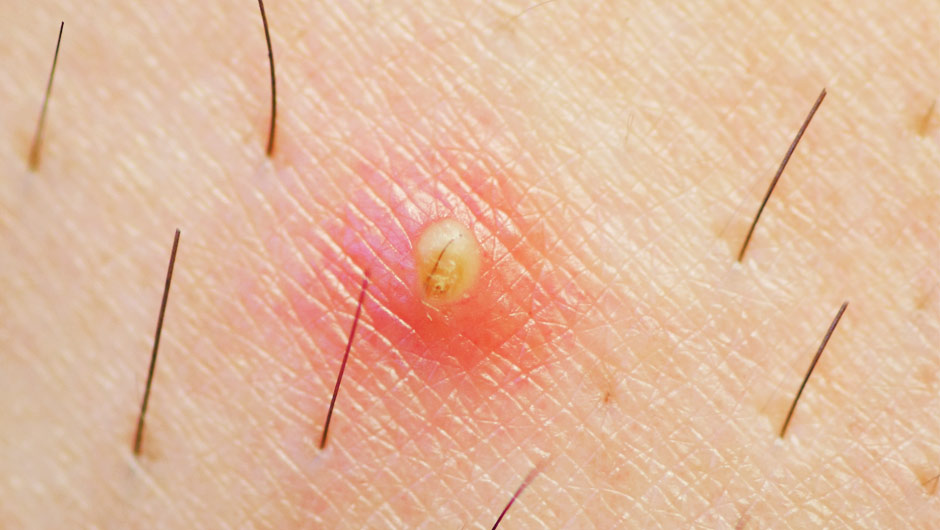
Who does ingrown hairs affect?
It also possesses anti-inflammatory and antibacterial properties, which are two key components in combating ingrown hairs. Tea is known to have many natural healing properties, and black tea, in particular, is anti-inflammatory, which allows it to soothe skin and reduce redness. It also contains antioxidants like caffeine, which, aside from being part of our morning routine, also has great preventative acne and anti-aging benefits.
This puts you at risk of damaging your skin or causing an infection, which often isn't worth the risk considering that a large percentage of ingrown hairs go away on their own. All these things help coax ingrown hairs out of the follicle before they become inflamed or infected. Ambrosen recommends applying this mixture to already dampened skin for the best results. While they can be a frequent occurrence for people who remove their hair—be it from waxing, shaving, tweezing, etc.—they're nevertheless annoying and at times even painful. They occur when hair grows back and curls under the skin, becoming trapped.
An ingrown hair is a place where hair has gotten trapped under the skin. So it’s important to follow a doctor or healthcare professional’s directions. When it comes to razor bumps, the cause is usually improper hair removal techniques. The hair grows from the bottom of your pore and is kept bathed in sebum secreted by the pore.

Staph infections come from a bacterium called Staphylococcus aureus that is present naturally on the skin. It can cause serious problems, such as sepsis, if it enters a person’s bloodstream. If your cysts are hereditary, you may need ongoing treatments as they recur. This may help coax the hair up and out through the skin if you can see the hair and if it’s very close to the surface, says Dr. Weschler.
A razor that catches can also cause small nicks and cuts, which can become infected. Exfoliation also gently scrapes away the dead skin cells that accumulate on top of the skin. This layer of dead cells can trap new hairs inside the follicles, causing them to grow inward. The symptoms of an ingrown hair vary, but typically involve small bumps, blister-like lesions, skin darkening, pain, and itching. After removing unwanted hair from your legs, it’s easier for curly hair to regrow and re-enter your skin, which causes inflammation in the area.
If you're particularly sensitive, it's best to avoid overly harsh scrubs. Abrasive scrubs like sugar and salt scrubs do exfoliate the skin but often at the expense of causing excess skin irritation, Dr. Murphy-Rose says. To diagnose an ingrown hair, your doctor will examine the area.
Sometimes, dead skin can clog a hair follicle, which forces the hair to grow sideways under your skin rather than up and out. If you cut naturally curly hair too short, the sharpened end of the hair can pierce your skin, causing an ingrown hair. If an infection develops and worsens, you may need medical treatment.


No comments:
Post a Comment